
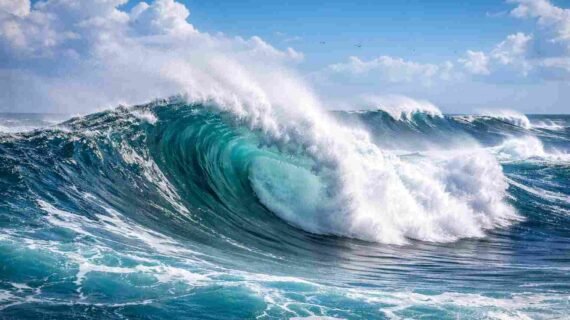
Wind Conditions and How They Affect Waves play a crucial role in shaping the ocean’s surface, influencing everything from wave size and power to overall surf quality. Whether you are a beginner trying to catch your first wave or an experienced surfer chasing perfect conditions, understanding how wind interacts with the ocean can dramatically improve your timing, safety, and performance in the water.
Why Wind Matters in Wave Formation
Waves are primarily generated by wind transferring energy to the ocean’s surface. The strength, duration, and distance over which the wind blows (known as fetch) determine how large and powerful waves will become. When wind blows consistently over open water, it creates ripples that grow into swells, which can travel long distances before reaching the shore.
Without wind, the ocean would be relatively calm. With the right wind conditions, however, waves can become organized and powerful, creating ideal conditions for surfing and other water activities.
Types of Wind and Their Effects on Surf Quality
Offshore Wind
Offshore wind blows from land toward the ocean. This type of wind is widely considered the best for clean and well-shaped waves.
Offshore winds hold the wave face up as it breaks, creating a smooth surface and allowing waves to peel more slowly and predictably. Surfers often look for light to moderate offshore winds because they produce the classic “glassy” conditions seen in perfect surf photos.
Key characteristics of offshore wind conditions include:
- Clean, well-defined wave faces
- Longer, more rideable waves
- Reduced surface chop
Onshore Wind
Onshore wind blows from the ocean toward the land. This is generally the least favorable condition for surfing because it disrupts the wave shape.
When onshore winds are strong, they create choppy, uneven waves that break quickly and unpredictably. This makes it harder to paddle, catch waves, and maintain balance.
Typical effects of onshore wind include:
- Messy and bumpy wave faces
- Waves breaking too quickly
- Reduced wave quality
Cross-Shore Wind
Cross-shore wind blows parallel to the shoreline. Its impact depends on strength and direction relative to the wave.
Light cross-shore winds may have minimal effect, but stronger ones can create uneven peaks and sections that close out. In some cases, cross-shore winds can still provide fun, rideable waves, especially at beaches with multiple peaks.
How Wind Strength Influences Waves
Wind speed plays a major role in determining whether conditions are manageable or challenging.
Light winds (0–10 knots) typically produce the best surf conditions because they allow swells to maintain their shape. Moderate winds (10–20 knots) start to affect wave quality, especially if they are onshore. Strong winds (20+ knots) often create rough seas, strong currents, and less predictable waves.
For beginners, lighter winds are generally safer and more comfortable, while experienced surfers may still enjoy moderate winds depending on the break.
Local Geography and Wind Interaction
The effect of wind is not the same at every beach. Coastal orientation, headlands, reefs, and bays can block or redirect wind, creating micro-conditions that differ from nearby spots.
For example, a beach facing west might be protected from easterly winds, resulting in cleaner waves even when other areas are choppy. Understanding how local geography interacts with prevailing winds can help surfers choose the best location on any given day.
Read more: Does Balinese Massage Include Breasts
Wind Timing Throughout the Day
Wind conditions often change throughout the day due to temperature differences between land and sea.
Early mornings typically offer lighter winds and smoother waves because the air is more stable. As the day heats up, thermal winds increase, often turning conditions choppier by midday or afternoon. This is why many surfers prefer dawn sessions when waves are cleaner and more consistent.
Read more: Best Apps for Checking Surf Forecasts
Wind and Swell Direction
Wind doesn’t just affect wave shape — it also influences how swells approach the coastline. A favorable combination of swell direction and offshore wind can create long, peeling waves, while mismatched conditions may lead to closeouts.
Understanding forecasts that include both wind direction and swell direction helps surfers predict when waves will be at their best.
Read more: Why Are There Travel Warnings for Bali
Safety Considerations
Wind can significantly impact ocean safety. Strong winds can create powerful currents, push surfers away from shore, and make paddling more exhausting. Gusty conditions may also reduce visibility and make it harder to control a board.
Before entering the water, it’s important to check wind forecasts and observe the ocean for signs of strong currents or rapidly changing conditions.
Read more: Understanding Swell Size and Direction
How to Read Wind Forecasts
Modern surf forecasting tools provide detailed wind information, including speed, direction, and hourly changes. Learning to interpret these forecasts allows surfers to plan sessions more effectively.
Look for:
- Light offshore winds for clean waves
- Consistent wind direction
- Low gust differences (steady wind is better than variable wind)
Over time, comparing forecasts with actual conditions will help you develop a deeper understanding of how wind affects your local surf spots.
Read more: Is It Safe to Go to Bali Right Now
Conclusion
Wind Conditions and How They Affect Waves are fundamental to understanding the ocean and improving your surf experience. From shaping swells in the open ocean to determining whether waves are clean or choppy at the shoreline, wind influences nearly every aspect of wave behavior. By learning how offshore, onshore, and cross-shore winds interact with swell, geography, and timing, surfers can choose better sessions, stay safer, and enjoy more consistent rides.