
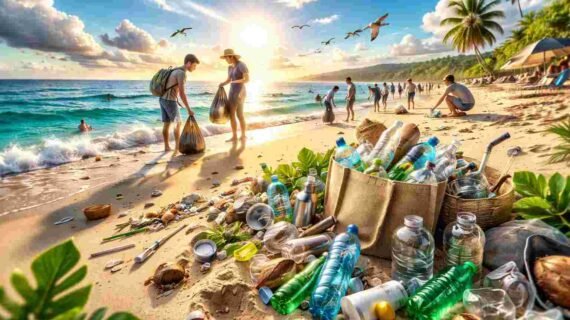
Plastic Free Beach Habits are becoming increasingly important as more travelers, surfers, and ocean lovers recognize the impact that plastic pollution has on marine ecosystems. Practicing Plastic Free Beach Habits helps protect coastlines, marine life, and the natural beauty that makes beaches special around the world. With a few simple changes to daily routines, anyone can reduce plastic waste while enjoying time by the ocean.
Why Plastic Pollution Is a Serious Problem for Beaches
Plastic pollution has become one of the biggest environmental threats facing oceans today. Millions of tons of plastic waste enter the ocean every year, and a large portion of it eventually washes up on beaches. Once plastic reaches the sea, it breaks down into smaller pieces known as microplastics. These tiny particles are often mistaken for food by marine animals such as fish, turtles, and seabirds.
Beaches are especially vulnerable because they act as collection points for ocean debris. Plastic bottles, bags, straws, food containers, and packaging frequently accumulate along the shoreline. Aside from being harmful to wildlife, plastic waste also damages the natural beauty of coastal areas and negatively affects tourism.
By adopting plastic free habits when visiting the beach, individuals can play an important role in reducing pollution and protecting fragile marine ecosystems.
Bring Reusable Items to the Beach
One of the easiest ways to practice plastic free beach habits is to replace disposable items with reusable alternatives. Many people unknowingly bring plastic to the beach through single-use products like water bottles, snack packaging, and takeaway containers.
Reusable items that can significantly reduce waste include stainless steel water bottles, reusable food containers, bamboo cutlery, and cloth napkins. These items are durable, lightweight, and easy to carry in a beach bag.
Using a reusable bag instead of plastic bags is another simple change that makes a difference. Cloth or canvas bags are perfect for carrying towels, sunscreen, snacks, and other beach essentials without contributing to plastic waste.
Making these small swaps helps reduce the amount of plastic that might otherwise end up in the sand or ocean.
Choose Plastic-Free Snacks and Drinks
Food packaging is one of the most common types of beach litter. Chips bags, candy wrappers, plastic drink bottles, and disposable utensils often end up blowing away in the wind if not disposed of properly.
Preparing snacks at home and packing them in reusable containers is a simple solution. Fresh fruits, sandwiches, homemade snacks, and refillable drink bottles are great alternatives to individually packaged products.
Another helpful habit is buying drinks in glass bottles or aluminum cans instead of plastic bottles whenever possible. These materials are easier to recycle and less harmful to the environment if they are accidentally left behind.
Choosing plastic-free food options not only reduces waste but also encourages healthier and more sustainable habits.
Bring a Small Trash Bag
Even when trying to avoid plastic, some waste is sometimes unavoidable. Carrying a small reusable trash bag allows beachgoers to collect and properly dispose of any waste they generate during the day.
This habit also makes it easy to pick up trash left behind by others. Even collecting a few pieces of litter before leaving the beach can make a noticeable difference over time.
Many surfers, divers, and beach visitors have started following a simple rule: leave the beach cleaner than you found it. If every visitor removed just a few pieces of trash, beaches would stay significantly cleaner.
Avoid Single-Use Beach Products
Many popular beach items are made from cheap plastic and are designed to be used only once or a few times. Examples include disposable water balloons, plastic beach toys, and single-use drink cups.
Whenever possible, choose long-lasting alternatives. Wooden or silicone beach toys for children, reusable cups, and durable equipment help reduce unnecessary plastic waste.
Another often overlooked item is sunscreen packaging. While sunscreen itself is essential for skin protection, choosing brands that use recyclable or refillable packaging can further reduce plastic impact.
Being mindful about the products brought to the beach can greatly reduce the amount of waste generated during a visit.
Read more: Why Do Guys Moan When Kissing
Participate in Beach Cleanups
Beach cleanups are one of the most effective ways to combat plastic pollution while raising awareness in the community. Many coastal areas organize regular cleanup events where volunteers collect trash from beaches and nearby ocean areas.
Participating in a cleanup not only helps remove plastic from the environment but also highlights how much waste accumulates in coastal ecosystems. Many people become more conscious of their consumption habits after seeing the amount of plastic collected during these events.
For surfers, divers, and frequent beach visitors, joining a cleanup once a month can make a meaningful impact.
Read more: Protecting Balis Oceans As A Surfer
How Beach Cleanups Help the Ocean
Beach cleanups provide several important environmental benefits. Removing plastic waste prevents it from breaking down into microplastics that can harm marine animals. It also protects coral reefs and underwater habitats from pollution.
In addition, cleanup events often collect valuable data about the types of waste found on beaches. Environmental organizations use this information to identify pollution sources and advocate for better waste management policies.
Read more: Where Do Men Love To Be Touched Most
Support Businesses That Reduce Plastic
Many coastal cafes, surf schools, and beachside restaurants are now working to reduce single-use plastics. Supporting these businesses encourages sustainable tourism and helps create positive change in beach communities.
Look for places that use reusable cups, compostable packaging, metal straws, or refill stations for drinking water. Some businesses even offer discounts to customers who bring their own reusable containers or cups.
By supporting eco-friendly businesses, visitors help promote responsible practices that benefit both the environment and local communities.
Read more: Reef Safe Sunscreen Guide
Educate Others About Plastic Free Habits
One of the most powerful ways to protect beaches is by sharing knowledge. Many people simply do not realize how harmful plastic waste can be for the ocean.
Talking with friends, family, and fellow travelers about plastic free beach habits can inspire others to make small changes in their own routines. Social media, community groups, and local environmental organizations can also help spread awareness.
Education encourages a culture of responsibility where protecting the ocean becomes a shared effort.
Read more: Is 2 A Good Tip In Bali
The Future of Plastic Free Beaches
Creating plastic free beaches requires collective action from individuals, communities, businesses, and governments. While large-scale policy changes and improved waste management systems are important, everyday habits also play a major role.
By bringing reusable items, avoiding single-use plastics, supporting sustainable businesses, and participating in beach cleanups, anyone can help protect the coastline.
Plastic Free Beach Habits are not complicated, but their impact can be powerful. With consistent effort and awareness, beaches around the world can remain clean, beautiful, and healthy for future generations to enjoy.