
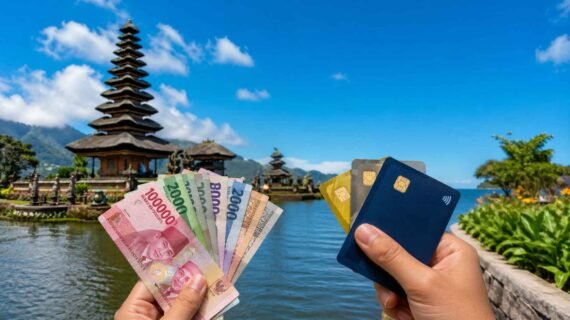
Is it better to carry cash or card in Bali? This is one of the most common questions travelers ask before visiting Bali, and the answer is not as simple as choosing one over the other. Bali is a unique destination where modern digital payments coexist with traditional cash-based transactions. Understanding when to use cash and when to rely on cards can help you travel smarter, avoid unnecessary fees, and enjoy a smoother experience during your stay.
Understanding Payment Culture in Bali
Bali’s economy is a mix of tourism-driven businesses and local markets. In popular areas like Canggu, Seminyak, and Ubud, card payments are widely accepted. However, once you step into smaller villages or traditional markets, cash becomes essential.
Most locals and small vendors still operate on a cash-only basis, especially for everyday purchases like street food, local transport, and small souvenirs.
When You Should Use Cash in Bali
Street Markets and Local Shops
Traditional markets and small warungs (local eateries) almost always require cash. If you plan to explore authentic Balinese culture, cash is a must.
Transportation and Small Services
Many local drivers, scooter rentals, and tour guides prefer cash payments. Even though ride apps exist, cash is often the easiest and fastest option.
Tips and Gratuities
Tipping is not mandatory in Bali, but it is appreciated. Small cash tips are the most convenient way to show gratitude for good service.
Rural and Remote Areas
If you’re visiting waterfalls, temples, or hidden beaches outside tourist hubs, don’t rely on card payments. Cash is often the only accepted method.
When Card Payments Are Better
Hotels and Resorts
Most hotels, villas, and resorts in Bali accept credit and debit cards. This includes both international hotel chains and many boutique accommodations.
Restaurants and Cafés
Upscale restaurants and trendy cafés in areas like Seminyak and Canggu typically accept cards. Many even support contactless payments.
Shopping in Malls and Boutiques
Modern shopping centers and branded stores accept cards, making it easy to shop without carrying large amounts of cash.
Online Bookings
Activities like tours, diving, or surfing lessons are often booked online, where card payment is required.
Pros and Cons of Carrying Cash
Advantages of Cash
Cash is widely accepted everywhere, making it the most reliable payment method. It also helps you manage your spending more easily since you physically see how much you’re using.
Disadvantages of Cash
Carrying too much cash can be risky. There’s always a chance of loss or theft, especially in crowded tourist areas.
Pros and Cons of Using Cards
Advantages of Cards
Cards are convenient and reduce the need to carry large amounts of money. They are also safer in case of loss, as they can be blocked quickly.
Disadvantages of Cards
Foreign transaction fees and ATM withdrawal charges can add up. Additionally, not all places accept cards, especially smaller businesses.
Read more: Surfing With Kids What Parents Should Know
ATM Access in Bali
ATMs are widely available across Bali, especially in tourist areas. However, it’s important to use machines located inside banks or reputable locations to avoid scams.
Withdrawal limits can vary, and fees may apply depending on your bank. Always inform your bank before traveling to avoid your card being blocked.
Read more: What’s The Cheapest Month To Go To Bali
Best Strategy: Use Both Cash and Card
The smartest approach is to carry a mix of both cash and cards. Use your card for larger expenses like hotels and dining, and keep cash for smaller, everyday purchases.
Suggested Budget Strategy
- Carry enough cash for daily expenses
- Use cards for big payments
- Withdraw cash in moderate amounts to reduce risk
Read more: How To Stay Safe Surfing With Crowds
Safety Tips for Handling Money in Bali
Avoid Carrying Too Much Cash
Only carry what you need for the day. Leave extra money in your hotel safe.
Use Secure ATMs
Choose ATMs inside banks or well-lit areas to reduce the risk of skimming.
Check Card Fees
Before traveling, check your bank’s international fees and consider using a travel-friendly card.
Split Your Money
Keep cash and cards in different places so you’re not left without funds if something goes wrong.
Digital Payments in Bali
Digital wallets and QR payments are becoming more common in Bali, especially among younger businesses. However, they are still not universal, so you shouldn’t rely on them entirely.
Read more: Which Is Better Bali Or Thailand
Common Mistakes to Avoid
- Relying only on cards
- Carrying excessive cash
- Using unsafe ATMs
- Ignoring bank fees
- Not having small denominations of cash
Read more: Managing Fear In Bigger Waves
FAQ
Yes, cash is essential, especially for small businesses, local markets, and rural areas.
No, cards are widely accepted in tourist areas but not everywhere. Always have cash as a backup.
It depends on your spending habits, but a moderate amount for meals, transport, and small purchases is usually enough.
Yes, ATMs are widely available, especially in popular tourist areas.
Yes, but always use trusted machines and monitor your transactions to avoid fraud.
You can exchange a small amount before arrival, but better rates are often available in Bali at authorized money changers.
Conclusion
Is it better to carry cash or card in Bali? The best answer is both. Bali offers a flexible payment environment where cards are convenient for larger transactions, while cash remains essential for everyday spending. By combining both methods and following basic safety tips, you can enjoy a stress-free and financially smart trip to this beautiful island.