
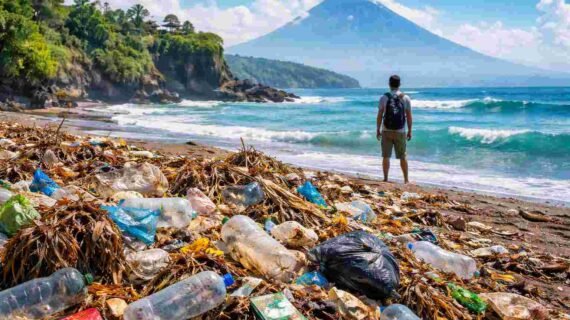
What is the biggest problem in Bali? This is a question many travelers, investors, and locals are increasingly asking as the island continues to grow in popularity. While Bali remains one of the most beautiful and culturally rich destinations in the world, rapid tourism development and population growth have created significant challenges. Understanding these issues is essential not only for visitors but also for anyone interested in the long-term sustainability of the island.
The Biggest Problem in Bali: Overdevelopment and Overtourism
The biggest problem in Bali today is the combination of overdevelopment and overtourism. Over the past decade, Bali has experienced a massive influx of tourists, digital nomads, and investors. While this has boosted the economy, it has also placed immense pressure on infrastructure, natural resources, and local communities.
Popular areas like Canggu, Seminyak, and Ubud have seen rapid construction of villas, hotels, and cafes. In many cases, this development has outpaced proper urban planning, leading to congestion, environmental degradation, and cultural disruption.
Traffic Congestion and Infrastructure Strain
One of the most visible consequences of overtourism is traffic congestion. Roads in major tourist areas are often overcrowded, especially during peak seasons. Infrastructure has struggled to keep up with the growing number of vehicles, leading to daily traffic jams.
Limited public transportation options make the problem worse. Most people rely on scooters or private drivers, increasing the number of vehicles on the road and contributing to pollution.
Waste Management Crisis
Plastic Pollution and Waste Disposal
Bali faces a serious waste management problem, particularly with plastic pollution. The island produces thousands of tons of waste daily, and not all of it is properly managed. Rivers and beaches often become polluted, especially during the rainy season when trash is washed into the ocean.
This issue not only affects the environment but also impacts tourism, as visitors expect clean beaches and pristine landscapes.
Lack of Infrastructure
Waste management systems in Bali are still developing. Many areas lack proper recycling facilities, and landfill sites are reaching capacity. Without sustainable solutions, the problem continues to grow alongside tourism.
Water Scarcity and Resource Pressure
Despite being a tropical island, Bali is facing increasing water scarcity. Hotels, villas, and swimming pools consume large amounts of water, often at the expense of local communities and agriculture.
Rice farmers, who rely on traditional irrigation systems, are particularly affected. As tourism expands, water resources are diverted, threatening Bali’s agricultural heritage.
Environmental Degradation
Loss of Green Spaces
Rapid construction has led to the loss of rice fields, forests, and natural landscapes. Areas that were once peaceful and green are now crowded with buildings.
This not only affects the island’s beauty but also disrupts ecosystems and wildlife habitats.
Coastal Erosion and Marine Damage
Coastal development and increased human activity have contributed to erosion and damage to coral reefs. Activities like irresponsible snorkeling, diving, and boating can harm marine life if not properly managed.
Cultural Impact and Local Displacement
Bali is known for its strong cultural identity, but rapid tourism growth is putting pressure on local traditions and communities.
Changing Lifestyles
Many locals are shifting from traditional occupations, such as farming and craftsmanship, to tourism-related jobs. While this increases income, it can also lead to the loss of cultural practices over time.
Rising Cost of Living
The influx of foreign investment has driven up property prices and living costs. Many locals find it increasingly difficult to afford housing in their own مناطق, leading to displacement and social inequality.
Economic Dependence on Tourism
Bali’s economy heavily depends on tourism, which makes it vulnerable to global disruptions. Events like pandemics or economic downturns can significantly impact livelihoods across the island.
Diversifying the economy is a key challenge for Bali’s long-term stability.
Efforts to Solve Bali’s Problems
Despite these challenges, there are ongoing efforts to address Bali’s biggest problems.
Read more: How Likely Is Mount Batur to Erupt
Government Initiatives
Authorities have introduced policies to reduce plastic waste, improve infrastructure, and regulate development. There are also discussions about implementing tourist taxes to fund sustainability projects.
Read more: Beginner Surf Drills You Can Practice on Land
Community and Environmental Programs
Local communities and organizations are actively working on environmental conservation, waste reduction, and cultural preservation. Beach cleanups, eco-friendly businesses, and sustainable tourism initiatives are becoming more common.
Read more: Is Bali in Threat of Tsunami
Responsible Tourism
Travelers are increasingly encouraged to adopt responsible tourism practices, such as reducing plastic use, respecting local culture, and supporting local businesses.
Read more: How to Build Confidence in the Water
How Visitors Can Help
Tourists play a crucial role in shaping Bali’s future. Simple actions can make a big difference:
- Use reusable bottles and bags
- Avoid single-use plastics
- Respect local customs and traditions
- Support eco-friendly accommodations
- Be mindful of water and energy usage
Read more: Is $100000 a Big Tip in Bali
The Future of Bali
Bali stands at a crossroads. While tourism has brought prosperity, it has also created significant challenges. The biggest problem in Bali—overdevelopment and overtourism—requires a balanced approach that considers economic growth, environmental protection, and cultural preservation.
With proper planning, community involvement, and responsible travel, Bali can continue to thrive without losing its unique identity.
Read more: The Psychology of Learning to Surf
FAQ
The biggest environmental problem in Bali is plastic waste and poor waste management. This leads to pollution in rivers, beaches, and oceans, especially during the rainy season.
Traffic congestion is caused by rapid development, increased tourism, and limited public transportation options. Most people rely on private vehicles, which overcrowds the roads.
Yes, certain areas in Bali are experiencing water scarcity due to high demand from tourism and development, which affects local communities and agriculture.
Tourism boosts the economy but also causes environmental damage, cultural shifts, and increased living costs. Managing tourism sustainably is a major challenge.
Yes, but it requires cooperation between the government, local communities, businesses, and tourists. Sustainable development and responsible tourism are key to solving Bali’s biggest problems.