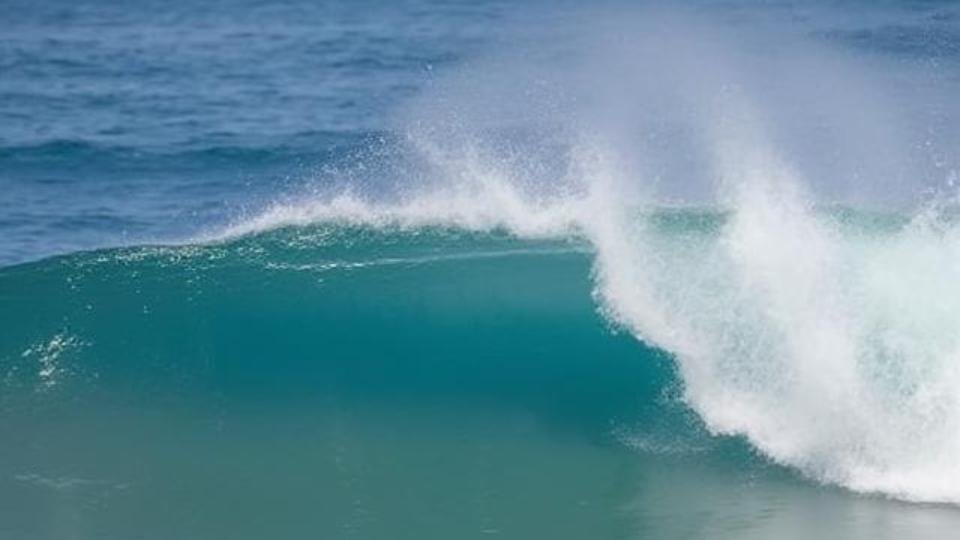

The Perfect Wave Size For Beginners
The Perfect Wave Size For Beginner, If you’re new to surfing, one of the most important things to consider is wave size. Too big, and you might struggle to paddle out or wipe out constantly. Too small, and you won’t get enough power to ride. So, what’s the ideal wave size for beginners?
The Sweet Spot: 1 to 3 Feet
For beginners, the perfect wave size is between 1 to 3 feet (knee to waist-high). These waves are small enough to be manageable but still offer enough push to help you catch and ride them.
Why Small Waves Are Best for Learning
- Easier to Paddle Into
Smaller waves don’t require as much strength to paddle into, making it easier for beginners to catch waves and pop up on their board.
- Safer and Less Intimidating
Wipeouts are part of surfing, but small waves make falling less scary and dangerous. You’re less likely to get caught in powerful currents or tossed around by big surf.
- More Time to Practice Balance
Gentle, rolling waves give you a chance to work on your stance, balance, and turning without being rushed by fast-breaking waves.
Other Factors to Consider
- Wave Type
Not all waves are the same. Soft, slow-breaking waves are the best for beginners. Avoid steep, hollow waves that break suddenly, as they can be harder to handle.
- Wind Conditions
Calm or light offshore winds (blowing from land toward the ocean) help create clean, smooth waves. Strong onshore winds (blowing from the ocean toward land) can make waves messy and unpredictable.
- Tide Levels
Mid-tide is often the best for beginners. At high tide, waves may be too weak, while low tide can expose rocks or reefs.
Best Beginner-Friendly Surf Spots
If you’re looking for great places to practice, here are a few top beginner surf spots:
- Waikiki Beach, Hawaii – Long, gentle waves perfect for learning.
- Byron Bay, Australia – Soft beach breaks with warm water.
- San Onofre, California – Consistent small waves, ideal for beginners.
- Canggu, Bali – Friendly waves with a fun, laid-back vibe.
Final Tips for Beginner Surfers
- Check the surf forecast before heading out.
- Use a soft-top surfboard for stability and safety.
- Always surf with a buddy or take a lesson.
- Respect surf etiquette and be mindful of other surfers in the water.
Ready to Ride?
Learning to surf is all about patience and practice. Start with small, friendly waves, and over time, you’ll gain the confidence to take on bigger challenges. The ocean is your playground—enjoy the ride!

Famous Temple to Visit in Bali: A Complete Traveler Guide
Famous Temple To Visit In Bali. Bali is not only famous for its stunning beaches and vibrant surf culture, this island is also home to…
Read More
Tabanan Bali Things to Do: Explore Nature, Culture & Hidden Gems
Tabanan Bali Things To Do, If you’re planning a trip to Bali and want to experience a part of the island that feels authentic, peaceful,…
Read More
Offbeat Surfing Bali: Hidden Gems for Adventurous Surfers
Offbeat Surfing Bali: Hidden Gems for Adventurous Surfers. When most people think of surfing in Bali, the iconic spots like Uluwatu, Padang Padang, Kuta, and…
Read More
Uluwatu Surf Sunset Bali
Uluwatu Surf Sunset Bali is more than a destination—it’s a soul-stirring experience that combines world-class surfing, breathtaking ocean views, and magical sunsets. Tucked along Bali’s…
Read More
Best Time to Surf Bali: A Complete Guide for Every Level
Best Time To Surf Bali, Bali is one of the most iconic surf destinations in the world, offering consistent waves, warm water, and beautiful coastlines…
Read More
Bali Reef Breaks: What Every Surfer Should Know Before Paddling Out
When surfers talk about world-class waves, Bali reef breaks are almost always part of the conversation. From perfectly peeling right-handers to shallow, fast left walls,…
Read More